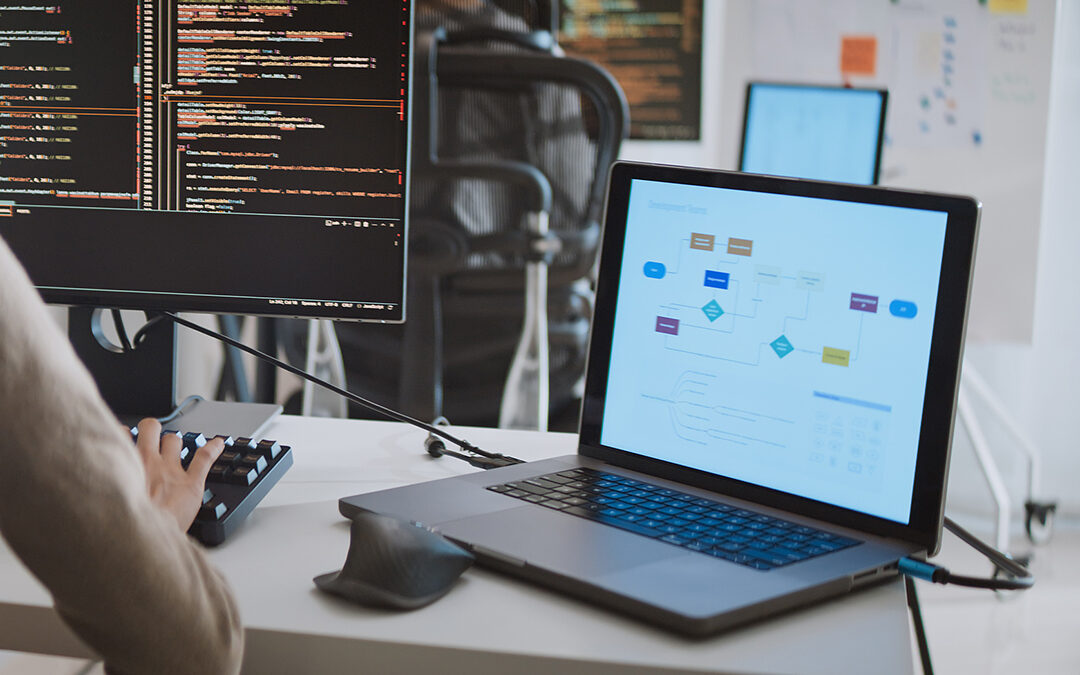
Utility modernization becomes difficult when improving one workflow depends on replacing every system around it. ERP, CIS, OMS, EAM, GIS, billing, grid, and customer platforms often evolve on different schedules, while operational priorities continue to change. The...
Utility revenue performance depends on a chain of operational decisions that extends well beyond producing an accurate bill. Consumption must become a valid charge, charges must reach the correct account, payments must post accurately, exceptions must reach...
Utilities increasingly have access to AI that can summarize customer histories, detect anomalies, predict equipment risk, prioritize work, classify cases, and recommend next actions. The harder problem begins after the model produces an answer: determining what...
Intelligent automation in utilities combines AI, machine learning, analytics, business rules, workflow orchestration, and human oversight to interpret operating conditions and complete approved work across utility systems. Unlike fixed task automation, it adapts...
Contract value depends on more than negotiating favorable language and securing signatures. A utility must carry approved pricing, scope, milestones, standards, obligations, and review conditions into the procurement decisions that follow. That transfer often breaks...